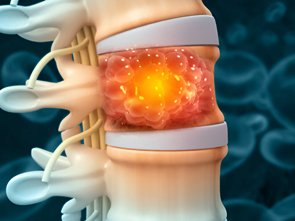
A Spine Tumor is an abnormal growth of cells that develops within or around the spinal column. Spinal tumors can arise from the bones and other structures of the spine or may spread to the spine from cancer elsewhere in the body. Some spinal tumors are benign (non-cancerous), while others are malignant (cancerous).
Under the expert care of Dr Garga Basu, patients receive comprehensive, evidence-based evaluation and individualised treatment for spinal tumors based on the type, location, size, and effect of the tumor on the spinal cord and nerves.
Types of Spine Tumors:
Spine tumors can be classified based on their location and whether they originate in the spine or have spread from another part of the body.
- Primary Spine Tumors: These tumors originate within the bones, tissues, or other structures of the spine. They may be benign or malignant.
- Metastatic Spine Tumors: These occur when cancer from another part of the body spreads to the spine. They are more common than primary spinal tumors.
- Extradural Tumors: Develop outside the protective covering of the spinal cord and may involve the vertebrae or surrounding structures.
- Intradural Tumors: Develop inside the protective covering surrounding the spinal cord and may be further classified according to whether they are located inside or outside the spinal cord itself.
- Intramedullary Tumors: Develop within the spinal cord and may affect neurological function as they grow.
Symptoms of Spine Tumor:
Symptoms can vary depending on the location, size, and type of tumor and whether it is compressing the spinal cord or nerves. Common symptoms may include:
- Persistent or progressive back pain
- Pain that may worsen at night or during rest
- Pain radiating into the arms, chest, abdomen, buttocks, or legs depending on the location of the tumor
- Numbness or tingling in the limbs
- Weakness in the arms or legs
- Difficulty walking or maintaining balance
- Changes in coordination or movement
- Loss of sensation
- Problems with bladder or bowel control in advanced cases
Diagnosis of Spine Tumor:
Accurate diagnosis is essential to determine the type, location, extent, and effect of a spinal tumor. Evaluation may include:
- Detailed medical and neurological examination
- MRI of the spine
- CT scan of the spine
- X-rays in selected cases
- PET-CT or other imaging studies when required to evaluate cancer elsewhere in the body
- Blood tests and other relevant investigations
- Biopsy or tissue examination when required to determine the exact nature of the tumor
Treatment for Spine Tumor:
Treatment depends on whether the tumor is benign or malignant, its location and size, the structures involved, neurological symptoms, overall health, and whether the tumor has spread from another part of the body.
Treatment may include:
- Observation and Regular Monitoring: Selected small or slow-growing tumors without significant symptoms may be monitored through clinical assessment and periodic imaging.
- Medicines: Pain management and medicines for specific symptoms may be prescribed as required.
- Surgical Treatment: Surgery may be considered to remove the tumor, decompress the spinal cord or nerves, obtain tissue for diagnosis, or stabilise the spine.
- Radiation Therapy: May be used for selected spinal tumors, particularly certain malignant or metastatic tumors.
- Chemotherapy or Targeted Treatment: May be recommended for specific cancers depending on the tumor type and its response to treatment.
- Spinal Stabilisation: If a tumor weakens or damages the vertebrae, procedures may be required to restore spinal stability and protect neurological function.
- Multidisciplinary Cancer Care: Patients with malignant or metastatic tumors may require coordinated treatment involving neurosurgery, oncology, radiation oncology, radiology, pathology, and rehabilitation specialists.
Recovery and Rehabilitation After Spine Tumor Treatment:
Recovery following spine tumor treatment varies depending on the tumor type, location, extent of spinal cord or nerve involvement, and treatment performed.
Patients may require physiotherapy and rehabilitation to improve muscle strength, balance, coordination, walking ability, and independence in daily activities. Regular follow-up and imaging may also be required to monitor recovery and detect any recurrence or progression at an early stage.
A personalised rehabilitation programme can help support functional recovery and improve quality of life after treatment.
Why Choose Dr Garga Basu for Spine Tumor Care?
- Expertise in the evaluation and management of spinal and neurological conditions
- Patient-focused and evidence-based treatment planning
- Detailed neurological and spinal assessment
- Appropriate use of advanced diagnostic imaging
- Individualised treatment based on tumor type, location, and neurological involvement
- Evaluation of both surgical and non-surgical treatment options when appropriate
- Focus on spinal cord and nerve protection during treatment
- Emphasis on timely intervention, safety, functional recovery, and long-term follow-up
FAQs
1. Are all spine tumors cancerous?
No. Spine tumors can be benign or malignant. Even a benign tumor can cause significant problems if it grows near or compresses the spinal cord or spinal nerves.
2. What are the warning signs of a spine tumor?
Persistent or progressive back pain, particularly pain that does not improve with usual measures, along with numbness, weakness, difficulty walking, or changes in bladder or bowel control may require evaluation for a spinal problem, including a tumor.
3. How is a spine tumor diagnosed?
Diagnosis may involve a neurological examination and imaging such as MRI or CT scans. In selected cases, a biopsy may be required to determine the exact type of tumor.
4. Can a spine tumor cause paralysis?
A spinal tumor can cause weakness or paralysis if it significantly compresses or damages the spinal cord or nerves. Early diagnosis and appropriate treatment can help prevent or limit neurological damage in suitable cases.
5. Can spine tumors be treated?
Yes. Treatment options depend on the type and extent of the tumor and may include observation, surgery, radiation therapy, chemotherapy, targeted treatment, spinal stabilisation, or a combination of treatments.
6. Can a spine tumor come back after treatment?
Some tumors can recur after treatment, depending on their type and biological behaviour. Regular clinical follow-up and appropriate imaging are important for monitoring for recurrence or progression.