Loading...

Can Trigeminal Neuralgia Be Bilateral and What It Means for Patients

Can Trigeminal Neuralgia Be Bilateral and What It Means for Patients

Can Trigeminal Neuralgia Be Bilateral and What It Means for Patients

Trigeminal neuralgia (TN) presents as sudden, electric‑shock‑like pain that strikes the face with alarming intensity. The condition commonly targets one side of the face, yet a subset of patients experiences pain on both sides, a pattern known as bilateral trigeminal neuralgia. Understanding the mechanisms, diagnostic challenges, and therapeutic pathways for bilateral involvement equips patients and clinicians to make informed decisions.

Neurology specialists emphasize that bilateral disease does not signal a different disorder, but rather a more complex expression of the same nerve compression syndrome. Emerging case series and surgical reports reveal that microvascular decompression (MVD) can achieve lasting pain relief even when both trigeminal nerves are affected. This article dissects the epidemiology, diagnostic criteria, and treatment options, while answering the most pressing patient questions.

Key Takeaways

  • Bilateral trigeminal neuralgia occurs in a minority of patients, often linked to vascular compression or multiple sclerosis.
  • Microvascular decompression remains the most reliable surgical intervention for permanent pain relief in both unilateral and bilateral cases.
  • Comprehensive management blends medication, minimally invasive procedures, and psychosocial support to sustain quality of life.

Understanding Bilateral Trigeminal Neuralgia

Bilaterality describes pain that affects the left and right sides of the face, either simultaneously or sequentially. Research estimates that 5‑10 % of patients with trigeminal neuralgia develop bilateral symptoms during the disease course. The underlying cause frequently involves vascular compression of the trigeminal nerve root entry zone by an artery such as the superior cerebellar artery.

pain that strikes the face

Pathophysiology of Bilateral Involvement

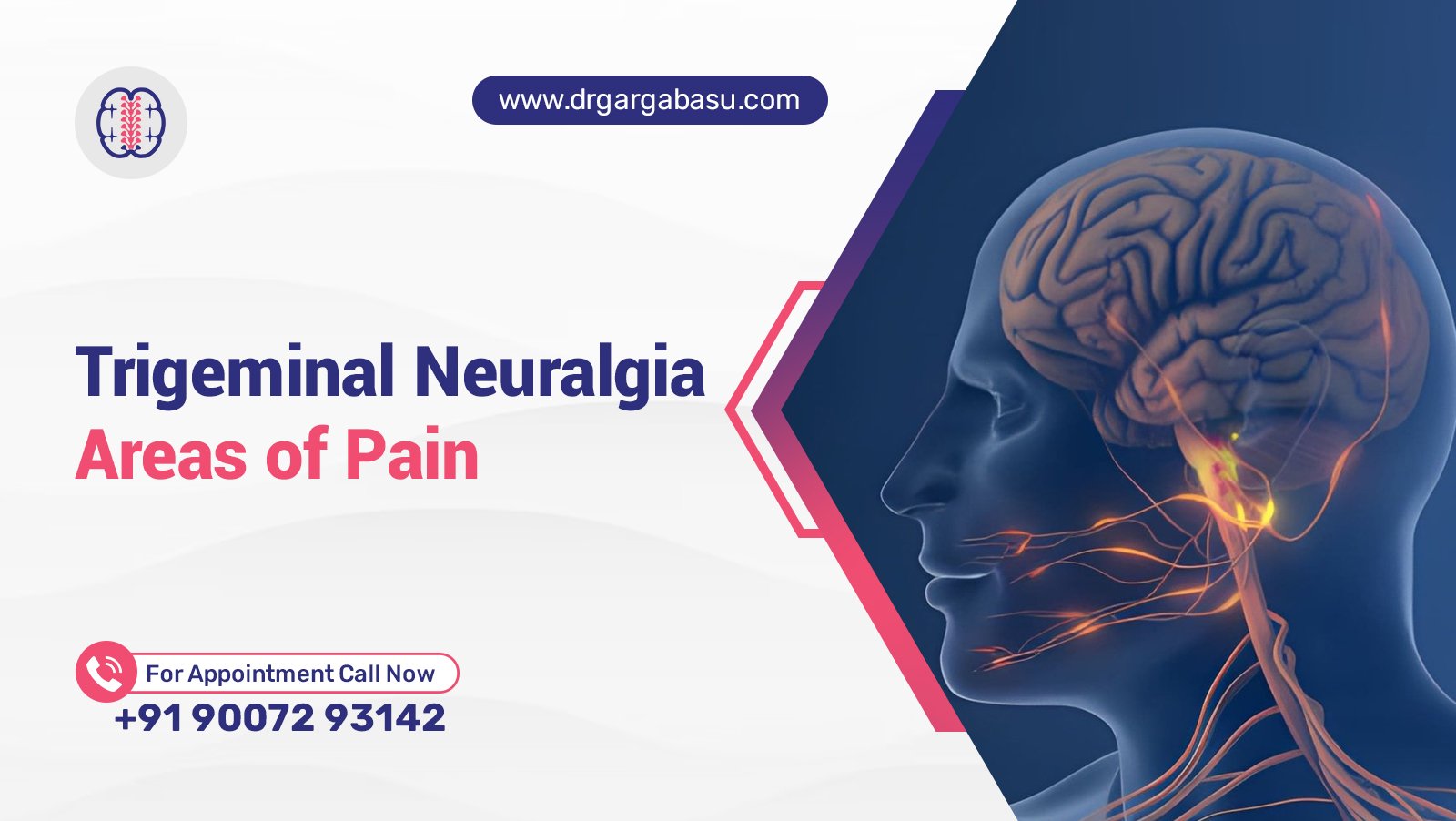
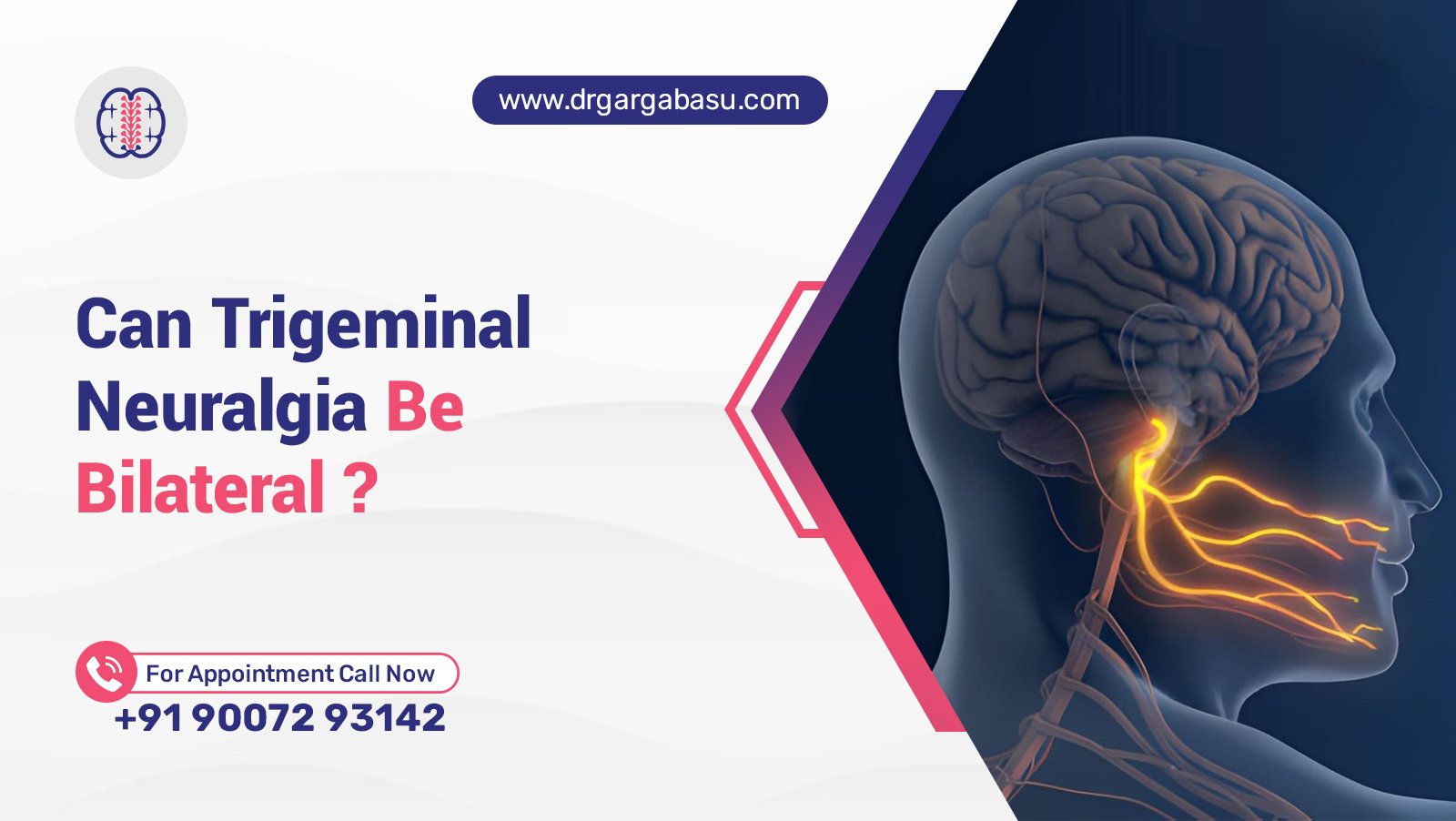
The trigeminal nerve conveys sensory information from the face to the brainstem. When a blood vessel contacts the nerve, pulsatile pressure creates demyelination, enabling ectopic electrical discharges. In bilateral cases, two separate vessels compress each nerve, or a single vascular loop extends across the midline. Multiple sclerosis can also produce demyelination within the trigeminal pathways, raising the likelihood of pain on both sides.

Primary Bilateral Trigeminal Neuralgia vs. Sequential Onset

Primary bilateral trigeminal neuralgia describes simultaneous pain on both sides at diagnosis. Sequential onset refers to a patient who first experiences unilateral pain, then later develops contralateral symptoms. A report of two cases highlighted successful bilateral microvascular decompression after sequential onset, underscoring the need for repeat imaging when new pain emerges.

Diagnosis and Classification of Trigeminal Neuralgia

Accurate diagnosis hinges on detailed patient history, neurological examination, and high‑resolution magnetic resonance imaging (MRI). The International Classification of Headache Disorders defines classic trigeminal neuralgia by paroxysmal attacks triggered by light touch, chewing, or speaking. Atypical trigeminal neuralgia includes constant background pain.

Imaging Strategies

High‑resolution MRI with constructive interference in steady state (CISS) sequences visualizes the relationship between arteries and the trigeminal nerve. Detection of vascular compression guides surgical planning, especially when bilateral involvement is suspected.

Differential Diagnosis

Neurologists differentiate trigeminal neuralgia from dental pain, temporomandibular joint dysfunction, cluster headache, and neuropathic conditions such as post‑herpetic neuralgia. A thorough physical examination rules out neoplasm, skull base lesions, and demyelinating disease. When MRI reveals plaques in the brainstem, multiple sclerosis becomes a probable contributing factor.

Treatment Options for Bilateral and Unilateral Cases

Management begins with pharmacologic therapy, proceeds to minimally invasive procedures, and culminates with surgical intervention if pain persists.

Medication Management

First‑line agents include carbamazepine and oxcarbazepine, both sodium channel blockers that diminish ectopic firing. Gabapentin and pregabalin serve as adjuncts when side effects limit dosage. Lamotrigine offers an alternative for patients intolerant to carbamazepine. Anticonvulsant therapy achieves pain relief in 70‑80 % of cases, yet long‑term use may provoke hyponatremia or dizziness.

Minimally Invasive Procedures

When medication fails, percutaneous techniques target the trigeminal root. Balloon compression, radiofrequency rhizotomy, and glycerol injection each create a controlled lesion that interrupts pain signals. Radiosurgery, such as Gamma Knife, delivers focused radiation to the nerve, producing gradual pain reduction over months.

Microvascular Decompression

Microvascular decompression directly addresses the compressive artery, inserting a Teflon pad to separate the vessel from the nerve. Bilateral MVD involves two separate craniotomies or a single extended exposure, depending on surgeon preference. Long‑term studies report permanent pain relief in 80‑90 % of patients, with low recurrence when the artery remains decompressed.

Living with Trigeminal Neuralgia

Effective pain management restores the ability to chew, speak, and engage socially without constant fear of an attack. Psychological support mitigates anxiety and depression that frequently accompany chronic facial pain. Support groups, both online and in‑person, provide peer‑to‑peer counsel, medication tips, and encouragement.

Quality of Life Considerations

Patients who achieve stable pain control report near‑normal daily activities, including work, exercise, and travel. Regular follow‑up with a neurology clinic monitors medication levels, side effects, and signs of recurrence.

Support Resources

National and regional organizations host monthly meetings, webinars, and forums dedicated to trigeminal neuralgia. Online communities share treatment experiences, surgical outcomes, and coping strategies, fostering a sense of belonging for individuals who often feel isolated.

Frequently Asked Questions

Is bilateral trigeminal neuralgia possible?

Yes, bilateral trigeminal neuralgia occurs in a minority of patients and may arise from dual vascular compression or demyelinating disease.

How to permanently stop trigeminal neuralgia?

Microvascular decompression offers the most reliable permanent solution, especially when imaging confirms vascular compression.

How often is trigeminal neuralgia bilateral?

Studies estimate bilateral involvement in 5‑10 % of all trigeminal neuralgia cases.

Can you have a normal life with trigeminal neuralgia?

Effective medication, minimally invasive procedures, or successful surgery enable many patients to resume normal activities and maintain employment.

Are there support groups for people with trigeminal neuralgia?

Numerous support groups exist online and in major medical centers, providing education, emotional aid, and advocacy.

Conclusion

Bilaterality adds complexity to trigeminal neuralgia but does not preclude durable relief. Accurate diagnosis, careful evaluation of vascular anatomy, and a stepped treatment algorithm—including microvascular decompression—equip patients to achieve lasting pain control. Ongoing research into nerve‑protective agents and refined surgical techniques promises further improvements in outcomes for both unilateral and bilateral presentations.

What Is Brain Tumor Detection and Its Importance in Early Diagnosis

What Is Brain Tumor Detection and Its Importance in Early Diagnosis

Brain tumor detection refers to the process of identifying abnormal cell growths within the brain using advanced medical technologies and expert clinical evaluation. Early detection of brain tumors dramatically improves treatment success, reduces neurological damage, and raises five-year survival rates. Integrating magnetic resonance imaging, computer‑aided diagnosis, and machine learning models equips health professionals with precise tools to spot lesions before symptoms worsen.

The human brain demands careful monitoring; subtle changes can signal malignancy that escalates quickly. When clinicians employ high‑resolution MRI scans, functional magnetic resonance imaging, and positron emission tomography, they capture detailed images of brain tissue that reveal tumor type and location. Combining these medical images with artificial intelligence accelerates tumor classification and supports accurate brain tumor diagnosis.

In this comprehensive guide we explore how detection methods work, why early diagnosis matters, common warning signs, diagnostic pathways, and current treatment options. Readers will gain a clear understanding of the role of technology, the spectrum of brain tumor types, and actionable steps for patients and caregivers.

Key Takeaways

  • Early detection of brain tumors via MRI and AI‑driven analysis greatly enhances prognosis and expands treatment options.
  • Warning signs such as persistent headache, seizure, and visual changes often indicate the need for immediate medical imaging.
  • Advanced diagnostics including tumor classification, molecular profiling, and machine learning improve the accuracy of brain tumor diagnosis.

Understanding Brain Tumor Detection

Understanding brain tumor detection involves recognizing how modern techniques identify abnormal growths in the brain. Traditional methods rely on neurological examinations and symptom assessment, while contemporary approaches prioritize high‑resolution medical image acquisition.

Definition and Scope

Brain tumor detection encompasses the use of MRI scans, CT scan, and PET imaging to locate and characterize neoplasms within the brain. Detect brain tumors early prevents irreversible cognitive impairment and increases survival chances.

Role of Medical Imaging

Medical image analysis provides the foundation for tumor identification. MRI offers superior soft‑tissue contrast, revealing tumor borders and edema. CT scan supplies rapid assessment of bone involvement, and PET highlights metabolic activity to differentiate malignant from benign lesions.

Emerging AI and Machine Learning

Machine learning algorithms process thousands of images of brain, learning patterns that distinguish tumor types. Convolutional neural network models, such as AlexNet, automatically segment lesions, enabling rapid tumor classification and supporting radiologists in diagnosis.

Importance of Early Detection in Brain Tumor Management

Early detection in brain tumor care directly influences patient outcomes, treatment planning, and quality of life. Prompt identification allows clinicians to devise a personalized treatment plan before the tumor compromises vital functions.

Impact on Survival Rates

Studies show that patients diagnosed at an early stage experience a higher five‑year survival rate compared with those identified after symptom progression. Early detection of brain cancer reduces the risk of metastasis and limits malignant spread within the brain.

Influence on Treatment Options

When a tumor is identified early, less aggressive treatment options may suffice. Surgeons can perform minimally invasive stereotactic surgery, radiologists can apply focused radiation therapy, and oncologists can select targeted therapy or immunotherapy based on tumor genetics.

Reducing Neurological Deficits

Detecting brain tumors before they exert pressure on critical regions preserves cognition, speech, and motor control. Early intervention minimizes the need for extensive resection, thereby safeguarding the patient’s functional independence.

Common Warning Signs and Symptoms

Recognizing the early indications of brain tumor development enables timely medical evaluation. Both general and specific symptoms signal the need for immediate imaging.

Seven Warning Signs of Brain Cancer

  • Persistent headache that worsens in the morning or with activity.
  • Unexplained seizures or convulsions.
  • Gradual loss of vision or new visual distortions.
  • Difficulty speaking or understanding language.
  • Weakness or numbness in limbs, especially on one side.
  • Changes in personality, memory, or cognition.
  • Unexplained nausea, vomiting, or balance problems.

Six Additional Signs of Brain Tumor

  • Sudden hearing loss or ringing in the ears.
  • Frequent dizziness or vertigo.
  • Unexplained fatigue or lethargy.
  • Hormonal imbalances causing irregular menstrual cycles.
  • Unusual sensory perception such as tingling or phantom smells.
  • Difficulty concentrating on routine tasks.

Diagnostic Pathway and Technologies

Diagnosing brain tumors follows a systematic approach that integrates clinical assessment, imaging, and pathology to achieve an accurate brain tumor diagnosis.

Imaging Modalities – MRI, CT, PET

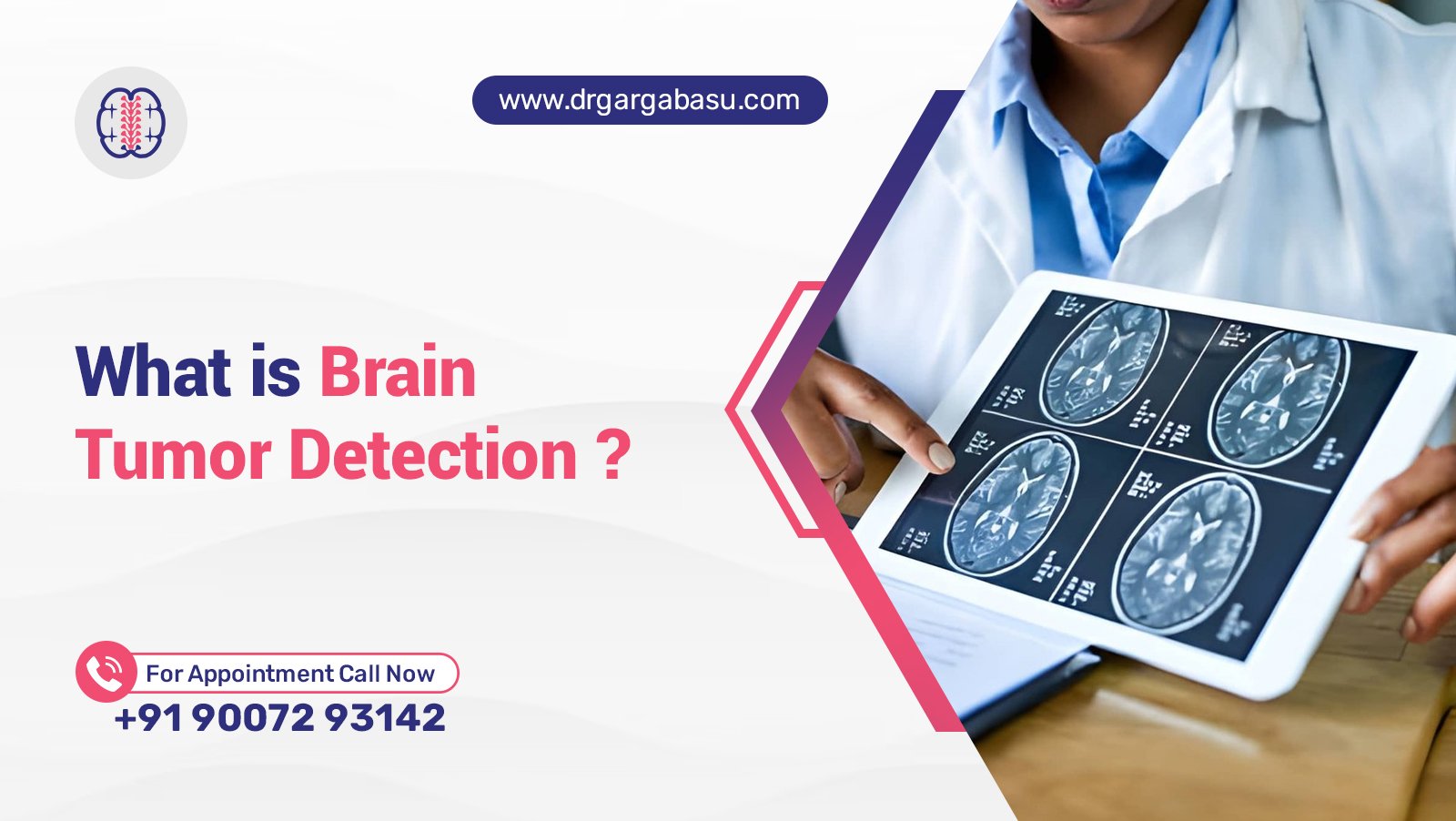
Brain MRI provides detailed cross‑sectional images of brain tissue, enabling radiologists to locate lesions and assess tumor type. CT scans are valuable for detecting calcifications and bone involvement. Positron emission tomography using radioactive tracer highlights metabolic hotspots, assisting in differentiating aggressive tumors.

Biopsy and Molecular Testing

When imaging suggests malignancy, neurosurgeons perform a stereotactic brain biopsy to obtain tissue samples. Pathology examines cellular architecture, while molecular testing identifies biomarkers such as IDH mutation or MGMT promoter methylation, guiding targeted therapy decisions.

Tumor Classification and Type Identification

Tumor classification categorizes neoplasms into glioma, meningioma, schwannoma, and others. Identifying the tumor type influences prognosis and treatment. For example, glioblastoma represents a high‑grade malignant tumor, whereas a benign meningioma may require only observation.

Treatment Landscape and Prognosis

Effective treatment integrates surgery, radiation, chemotherapy, and emerging targeted therapies to address the diverse biology of brain tumors.

Surgery, Radiation Therapy, Chemotherapy

Complete surgical resection offers the best chance for cure in accessible tumors. Radiation therapy, including stereotactic radiosurgery, eliminates residual cells. Chemotherapy agents such as temozolomide complement radiation, especially for high‑grade gliomas.

Targeted Therapy and Immunotherapy

Targeted therapy exploits specific molecular abnormalities, while immunotherapy stimulates the patient’s immune system to attack tumor cells. Clinical trials evaluate the efficacy of checkpoint inhibitors and CAR‑T cells for recurrent brain cancer.

Rehabilitation and Quality of Life

Post‑treatment rehabilitation focuses on restoring motor function, speech, and cognitive abilities. Multidisciplinary care improves quality of life, reduces long‑term disability, and supports the patient’s return to daily activities.

Frequently Asked Questions

What is brain tumor detection?

Brain tumor detection involves using imaging studies, clinical assessment, and often AI‑based analysis to locate and characterize abnormal growths within the brain.

How to detect brain tumour early?

Early detection requires paying attention to warning signs, undergoing prompt MRI scans, and employing computer‑aided diagnosis tools that highlight subtle abnormalities.

What are the 7 warning signs of brain cancer?

The seven key signs include persistent headache, seizures, visual changes, speech difficulties, unilateral weakness, personality/cognitive shifts, and unexplained nausea or vomiting.

Can any treatments cure my brain tumor?

Cure potential depends on tumor type, grade, and location; complete surgical removal combined with radiation and chemotherapy offers the highest chance of long‑term remission for many tumors.

How many types of brain tumors?

There are dozens of brain tumor types, broadly categorized into gliomas, meningiomas, pituitary adenomas, schwannomas, and metastatic lesions, each with distinct behavior and treatment strategies.

Conclusion

Brain tumor detection and early diagnosis represent a critical frontier in neuro‑oncology. Leveraging high‑quality MRI, CT, PET, and machine learning‑driven tumor classification enables clinicians to identify malignancies at a stage where treatment options are most effective. Recognizing warning signs, undergoing timely imaging, and understanding the diagnostic pathway empower patients to seek care early, improve survival odds, and maintain quality of life. Continued advancements in AI, molecular profiling, and targeted therapies promise even greater precision in diagnosing and treating brain tumors, ultimately reducing the burden of this complex disease.

What Is Olfactory Groove Meningioma and How Is It Treated

What Is Olfactory Groove Meningioma and How Is It Treated

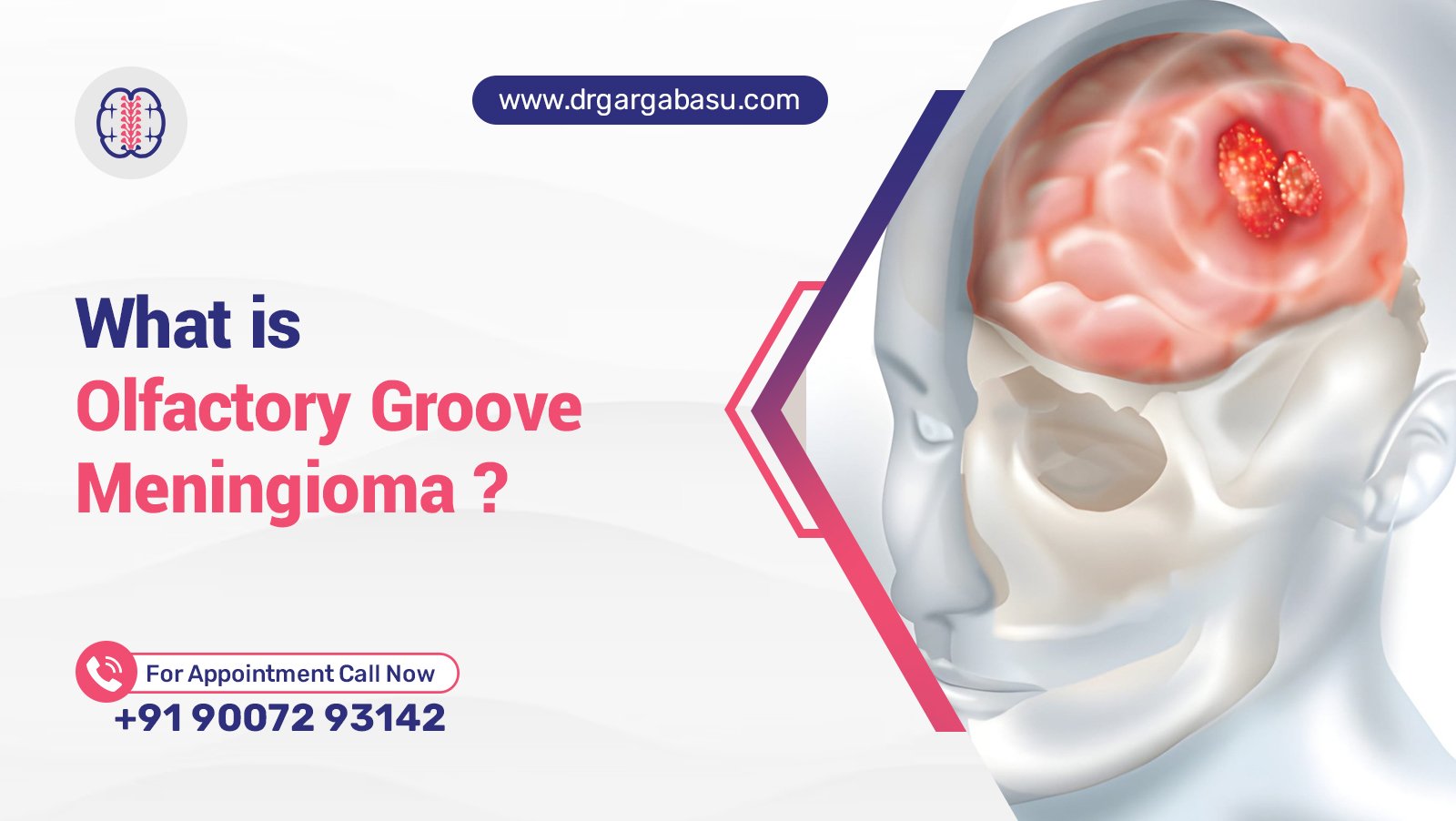
Olfactory groove meningioma is a benign tumor that arises from the meninges, the protective layers surrounding the brain. The lesion grows in the anterior cranial fossa, near the cribriform plate and the olfactory nerve, often compressing the frontal lobes and causing loss of smell, headaches, and visual changes.

Because the tumor sits at the junction of the frontal bone and the cranial base, it can affect the optic nerve, the optic chiasm, and the surrounding arachnoid membrane. Early detection through MRI or CT scan imaging improves the chance of a successful resection and reduces the risk of recurrence. This article reviews the epidemiology, clinical presentation, diagnostic work‑up, and current treatment strategies for this rare brain tumor.

Key Takeaways

  • Olfactory groove meningioma is a benign meningioma that commonly presents with anosmia, headache, and visual disturbance.
  • High‑resolution MRI and CT imaging guide surgical planning, often involving a craniotomy or endoscopic approach.
  • Combined treatment—complete surgical resection plus selective radiation therapy—offers the best long‑term control and survival.

Epidemiology and Risk Factors

How common is olfactory groove meningioma?

Olfactory groove meningioma represents 5–10 % of all intracranial meningioma cases, translating to less than 1 % of all brain tumors. Women develop the lesion more frequently than men, and incidence rises after the fifth decade of life.

Can smoking cause brain tumors?

Epidemiological studies show a modest association between long‑term tobacco exposure and increased risk of certain cancer types, including aggressive brain tumor subtypes. However, a direct causal link between smoking and olfactory groove meningioma remains unproven.

Prevalence of brain tumors in Connecticut

The Connecticut Cancer Registry reports an annual incidence of approximately 22 cases per 100 000 residents for all primary brain tumor diagnoses, aligning with national averages. Olfactory groove meningioma accounts for a small fraction of this figure.

Clinical Presentation and Diagnosis

Signs and symptoms

  • Anosmia or reduced sense of smell.
  • Frontal headache that worsens with Valsalva maneuvers.
  • Visual field defects due to compression of the optic nerve or chiasm.
  • Memory loss and mood changes from frontal lobe involvement.
  • Seizures in up to 30 % of patients, reflecting cortical irritation.

Imaging and diagnostic work‑up

Contrast‑enhanced MRI provides the gold‑standard view, revealing a well‑defined, dural‑based tumor with a “tail” sign extending to the meninx. CT scan adds detail about hyperostosis of the frontal bone and calcifications. Advanced magnetic resonance angiography assesses vascular involvement, while biopsy remains rare due to the classic imaging appearance.

Pathology

Microscopic analysis shows meningothelial cells arranged in whorls, confirming a benign meningioma. Immunohistochemistry demonstrates EMA positivity and low Ki‑67 index, supporting the non‑malignant nature of the lesion.

Treatment Strategies

Surgical resection

Complete surgical removal remains the cornerstone of therapy. A craniotomy through a frontal or supra‑orbital keyhole approach provides direct access to the anterior fossa. In selected cases, a minimally invasive endoscopic technique reduces morbidity while allowing resection of the mass and involved dura. The goal is to remove the tumor with clear margins, preserving the optic nerve and olfactory tract when feasible.

Radiation therapy

Adjuvant radiation therapy is recommended for subtotal resection, atypical histology, or recurrent disease. Fractionated stereotactic radiotherapy delivers precise doses to the residual tumor while sparing surrounding brain tissue. In select patients, radiosurgery offers a non‑invasive alternative when surgery is contraindicated.

Can a meningioma be treated without surgery?

Observation with serial imaging is appropriate for small, asymptomatic meningioma lesions. Hormonal manipulation and targeted therapies are under investigation, but current evidence supports surgery as the primary curative option for symptomatic olfactory groove meningioma.

Management of recurrence

Recurrence rates range from 5–15 % after gross‑total resection. Repeat surgery, stereotactic radiosurgery, or combined modalities address regrowth. Long‑term follow‑up with annual MRI monitors for new lesions.

Prognosis and Survival

What is the survival rate for olfactory groove tumor?

Five‑year overall survival exceeds 90 % for patients undergoing complete resection of a benign meningioma. Functional outcomes depend on pre‑operative deficits; preservation of the optic nerve and olfactory function improves quality of life.

Factors influencing outcome

Age, tumor size, extent of resection, and histological grade dictate prognosis. Adjuvant radiation therapy improves control in high‑risk cases, while advanced age and tumor invasion of the cavernous sinus predict lower survival.

Supporting Patients and Caregivers

Helpful ways to support a loved one with a brain tumor

  • Provide consistent emotional presence and active listening.
  • Assist with appointment logistics, medication management, and symptom tracking.
  • Encourage participation in support groups and neuro‑psychology services.
  • Facilitate a balanced diet, adequate hydration, and rest to reduce fatigue.
  • Advocate for clear communication between the patient and the multidisciplinary care team.

Frequently Asked Questions

How do you treat olfactory meningiomas?

Primary treatment involves surgical resection via a craniotomy or endoscopic approach, followed by selective radiation therapy for residual or recurrent disease.

Can brain tumors cause seizures?

Yes, cortical irritation from a brain tumor frequently triggers seizures, especially when the lesion involves the frontal or temporal lobes.

Can a meningioma be treated without surgery?

Observation with periodic imaging is viable for small, asymptomatic lesions; however, symptomatic meningioma requires operative intervention for definitive control.

How common is olfactory groove meningioma?

Olfactory groove meningioma accounts for 5–10 % of all intracranial meningioma cases, making it a rare but clinically significant tumor.

What are the different types of brain cancer?

Brain cancer classifications include astrocytoma, oligodendroglioma, glioblastoma, medulloblastoma, ependymoma, and meningioma, each with distinct histology and behavior.

Conclusion

Olfactory groove meningioma is a distinct benign tumor of the meninges that presents with olfactory loss, headache, and visual deficits. Robust MRI and CT imaging facilitate accurate diagnosis, while surgical resection—often via a craniotomy—offers the best chance for cure. Adjunctive radiation therapy enhances control in cases of subtotal removal or recurrence. Early intervention, multidisciplinary care, and comprehensive support for patients and caregivers collectively improve survival and quality of life for those affected by this unique brain tumor.

Trigeminal Neuralgia vs Postherpetic Neuralgia Key Differences Explained

Trigeminal Neuralgia vs Postherpetic Neuralgia Key Differences Explained

Trigeminal neuralgia and postherpetic neuralgia represent two distinct neuropathic pain conditions that significantly impair quality of life. Trigeminal neuralgia originates from dysfunction of the trigeminal nerve, the largest cranial nerve responsible for facial sensation and motor functions. Postherpetic neuralgia arises as a complication of herpes zoster (shingles), a reactivation of the varicella zoster virus that causes chickenpox. Both conditions produce severe pain, but their underlying pathophysiology, clinical features, and treatment approaches differ markedly.

Accurate diagnosis is essential because mismanagement leads to prolonged suffering and inadequate pain relief. Trigeminal neuralgia typically presents with sudden, shock-like facial pain triggered by routine activities such as chewing or light touch. Postherpetic neuralgia manifests as persistent burning or stabbing pain in a dermatomal distribution after the acute herpes zoster rash resolves. Understanding these differences helps health professionals select appropriate pharmacotherapy, nerve blocks, or surgical interventions. This article provides a comprehensive comparison of trigeminal neuralgia and postherpetic neuralgia, covering pathophysiology, key symptoms, risk factors, and evidence-based treatment options.

  • Cause and origin differ – Trigeminal neuralgia stems from neurovascular compression of the trigeminal nerve root or demyelinating lesions, whereas postherpetic neuralgia results from nerve damage caused by varicella zoster virus reactivation in the dorsal root ganglion.
  • Pain quality and triggers vary – Trigeminal neuralgia produces paroxysmal, lancinating electric shocks triggered by light touch or movement; postherpetic neuralgia causes constant burning, aching, or stabbing pain with allodynia and hyperalgesia.
  • Treatment strategies diverge – First-line therapy for trigeminal neuralgia includes carbamazepine or oxcarbazepine and microvascular decompression for refractory cases; postherpetic neuralgia management relies on topical lidocaine, gabapentinoids, tricyclic antidepressants, and antiviral drugs during the acute phase.

Understanding Trigeminal Neuralgia

Trigeminal neuralgia is a unilateral orofacial neuropathic pain condition affecting one or more branches of the trigeminal nerve. The disorder involves the trigeminal nerve root and its distribution, often due to compression by a blood vessel at the root entry zone near the brainstem. Less commonly, multiple sclerosis or a tumor causes secondary trigeminal neuralgia. The incidence is approximately 4–13 per 100,000 people annually, with higher frequency in women and individuals over 50 years. Pain episodes are severe, brief, and recurrent, leading to major depressive disorder, anxiety, and insomnia.

Pathophysiology and Key Features

The hallmark of trigeminal neuralgia is sudden, severe, electric-shock pain limited to the distribution of the trigeminal nerve. The pain is paroxysmal and lancinating, lasting seconds to two minutes. Common triggers include light touch, chewing, talking, brushing teeth, or cold wind. Sensory loss is typically absent in classic trigeminal neuralgia, although some patients report mild hypoesthesia or altered thermal sensation. The condition can affect the ophthalmic (V1), maxillary (V2), or mandibular (V3) branches, with V2 and V3 most frequently involved. Diagnosis relies on clinical history and neurological examination; magnetic resonance imaging helps exclude secondary causes such as a lesion or demyelinating disease.

Types of Trigeminal Neuralgia: TN1 vs TN2

Trigeminal neuralgia is classified into two main types. TN1 (classic) is characterized by intense, stabbing, intermittent pain. TN2 (atypical) presents with constant aching, burning, or throbbing pain of lower intensity but longer duration. When comparing which is worse, TN1 episodes produce more severe acute pain, while TN2 causes persistent pain that disrupts daily function and sleep. Many patients with TN2 also experience superimposed paroxysms. Both types negatively affect quality of life, but TN1 is often considered more debilitating due to the unpredictable, excruciating nature of attacks. Treatment selection depends on the predominant pain pattern.

Understanding Postherpetic Neuralgia

Postherpetic neuralgia (PHN) is the most common complication of herpes zoster, defined as pain persisting for at least 90 days after the acute rash resolves. Approximately 10–20% of shingles patients develop PHN, with risk increasing with age and immunodeficiency. The varicella zoster virus remains latent in sensory neurons of the dorsal root ganglion; reactivation causes inflammation, blister formation, and nerve damage. PHN involves the peripheral nervous system and manifests as neuropathic pain in the affected dermatome, most often the thorax. The condition significantly impairs physical and psychosocial well-being, contributing to fatigue, weight loss, and mood disorders.

Causes and Risk Factors

The primary cause of postherpetic neuralgia is nerve injury from varicella zoster virus replication. After primary chickenpox infection, the virus enters a state of latency in the dorsal root ganglion or trigeminal ganglion. Reactivation, triggered by declining immunity from age, stress, or immunosuppression, leads to acute herpes zoster. During the acute phase, viral spread causes neuritis, hemorrhage, and necrosis of sensory neurons and supporting cells. Risk factors for PHN include age over 60, severe acute rash, prodromal pain, ophthalmic involvement (herpes zoster ophthalmicus), and inadequate antiviral therapy. Vaccination with the zoster vaccine reduces the incidence of shingles and PHN.

Symptoms and Diagnosis

The pain of postherpetic neuralgia is often described as burning, aching, stabbing, or like an electric shock. Allodynia (pain from a nonpainful stimulus) and hyperalgesia (increased sensitivity to a painful stimulus) are common. Patients may also report hypoesthesia, itch, or altered thermal sensation in the affected dermatome. The rash typically heals within two to four weeks, but dysesthesia persists. Diagnosis is clinical, based on a history of herpes zoster with residual pain. Neurological examination may reveal sensory loss or altered reflexes in the dermatome. No specific laboratory test confirms PHN; the diagnosis relies on temporal association with acute herpes zoster.

Key Differences Between Trigeminal Neuralgia and Postherpetic Neuralgia

Although both conditions fall under the category of neuropathic pain, their etiology, location, pain characteristics, and treatment differ substantially. The following comparison outlines the main distinctions for health professionals and patients.

  • Cause – Trigeminal neuralgia is usually caused by neurovascular compression of the trigeminal nerve root; postherpetic neuralgia results from viral nerve damage after herpes zoster.
  • Location – Trigeminal neuralgia is strictly unilateral along branches of the trigeminal nerve; PHN occurs in any dermatome, most commonly the thoracic region.
  • Pain quality – TN pain is paroxysmal, lancinating, and electric-shock–like; PHN pain is constant burning, aching, or stabbing with prominent allodynia.
  • Triggers – TN attacks are triggered by light touch, chewing, or talking; PHN pain is often continuous without specific triggers, though contact may worsen allodynia.
  • Sensory findings – TN typically has no sensory loss; PHN often involves hypoesthesia, hyperalgesia, and thermal sensation changes.
  • Treatment – TN first-line: carbamazepine, oxcarbazepine, or microvascular decompression; PHN first-line: topical lidocaine, gabapentinoids, tricyclic antidepressants, and antiviral drugs in acute phase.

Connection Between Shingles and Trigeminal Neuralgia

Shingles can affect the trigeminal nerve, leading to a condition called trigeminal postherpetic neuralgia. Herpes zoster involving the ophthalmic branch (herpes zoster ophthalmicus) accounts for 10–15% of cases and carries a high risk of PHN. In this scenario, the varicella zoster virus reactivates in the trigeminal ganglion, causing rash and pain in the distribution of the trigeminal nerve. While classic trigeminal neuralgia is not caused by a virus, the herpetic form mimics its symptoms. Magnetic resonance imaging may reveal pontine trigeminal T2-hyperintensity, suggesting herpetic etiology of trigeminal neuralgia. This finding helps differentiate viral-induced neuralgia from neurovascular compression. Antiviral therapy during acute herpes zoster reduces the risk of chronic pain.

Advanced Treatment Options

Botulinum Toxin Type A for Intractable Trigeminal Neuralgia

Botulinum toxin type A has emerged as a potential treatment option for intractable trigeminal neuralgia. Studies show that local injection into trigger zones or along the affected nerve branch reduces pain frequency and intensity. The mechanism involves blockade of nociceptive neurotransmitter release and reduction of peripheral sensitization. Although not a first-line therapy, botulinum toxin provides pain relief for patients unresponsive to carbamazepine or who cannot undergo microvascular decompression. More randomized controlled trials are needed to confirm efficacy and optimal dosing.

Acupuncture for Postherpetic Neuralgia

Acupuncture is considered an adjunctive treatment for postherpetic neuralgia. Systematic reviews suggest that acupuncture reduces pain intensity and improves quality of life when combined with standard pharmacotherapy. The therapy may modulate somatosensory pathways, promote endogenous opioid release, and reduce inflammation. However, evidence is limited by small sample sizes and variable methodology. Acupuncture is not a replacement for antiviral drugs or topical medications, but it can be a safe complementary option for patients with refractory pain or those seeking nonpharmacologic pain management.

Frequently Asked Questions

What is the difference between post-herpetic neuralgia and trigeminal neuralgia?

Postherpetic neuralgia is a chronic neuropathic pain condition caused by nerve damage from the varicella zoster virus after a shingles infection, typically affecting a single dermatome on the thorax or face. Trigeminal neuralgia is a facial pain disorder resulting from compression or irritation of the trigeminal nerve, producing brief, electric-shock attacks. The primary difference lies in etiology: viral versus mechanical, and in pain pattern: constant burning versus paroxysmal stabbing.

Meet Dr. Garga Basu: Trusted Neurosurgeon for Brain & Spine Care in Siliguri

When it comes to treating complex brain and spine conditions, choosing the right neurosurgeon is critical. In Siliguri, Dr. Garga Basu is widely recognised as a trusted Neurosurgeon and Spine Surgeon, offering advanced and ethical neurosurgical care to patients from North Bengal, Sikkim, Bihar, Assam, and Nepal.

With years of hands-on experience in diagnosing and treating neurological disorders, Dr. Basu specialises in conditions affecting the brain, spine, nerves, and spinal cord. His expertise includes brain tumours, spine disorders, traumatic brain injury, spinal cord compression, epilepsy, and neurovascular conditions.

What sets Dr. Garga Basu apart is his patient-first approach. Every consultation is focused on understanding the patient’s condition in detail, explaining treatment options clearly, and recommending only what is medically necessary. His calm, compassionate communication helps patients and families make informed decisions with confidence.

If you are searching for a neurosurgeon in Siliguri who combines advanced surgical skill with genuine care, Dr. Garga Basu stands as a reliable choice for comprehensive brain and spine treatment.

Advanced Brain & Spine Surgery in Siliguri by Dr. Garga Basu

Modern neurosurgery demands precision, experience, and access to advanced techniques. Dr. Garga Basu, a leading neurosurgeon in Siliguri, offers state-of-the-art treatment for a wide range of brain and spine disorders, ensuring safe procedures and better recovery outcomes.

Dr. Basu is skilled in managing both emergency and planned neurosurgical cases, including:

  • Brain tumours and cysts

  • Spine degeneration and slipped discs

  • Spinal cord injuries

  • Head and spine trauma

  • Epilepsy and seizure disorders

  • Neurovascular conditions such as aneurysms

He emphasises minimally invasive neurosurgical techniques wherever suitable, helping patients experience reduced pain, shorter hospital stays, and faster recovery. Each treatment plan is customised after careful evaluation, imaging, and clinical assessment.

Serving patients across Siliguri and nearby regions, Dr. Garga Basu has become a dependable name for those seeking advanced neurosurgery with ethical decision-making. His commitment to precision and patient safety makes him one of the most trusted brain and spine specialists in the region.

Success Stories: How Dr. Garga Basu is Changing Lives in Cooch Behar

Behind every successful neurosurgery is a story of trust, resilience, and recovery. Over the years, Dr. Garga Basu has helped numerous patients in Siliguri regain their health and quality of life through timely diagnosis and expert neurosurgical care.

Patients suffering from chronic spine pain, neurological weakness, seizures, and brain tumours have benefited from Dr. Basu’s accurate diagnosis and well-planned treatment strategies. Many cases that once limited daily life have seen significant improvement after surgery or conservative neurosurgical management.

What patients often appreciate most is Dr. Basu’s clear guidance and compassionate approach. He ensures families understand the condition, the need for surgery (if required), and the recovery journey—building confidence at every step.

These success stories reflect not just surgical expertise, but a deep commitment to ethical practice and patient well-being. For families looking for a reliable neurosurgeon in Siliguri, Dr. Garga Basu continues to make a meaningful difference—one life at a time.